“Small-Format Archival Books: An Open Template for Community Histories” (2026). [Co-written with Michael Zryd.]
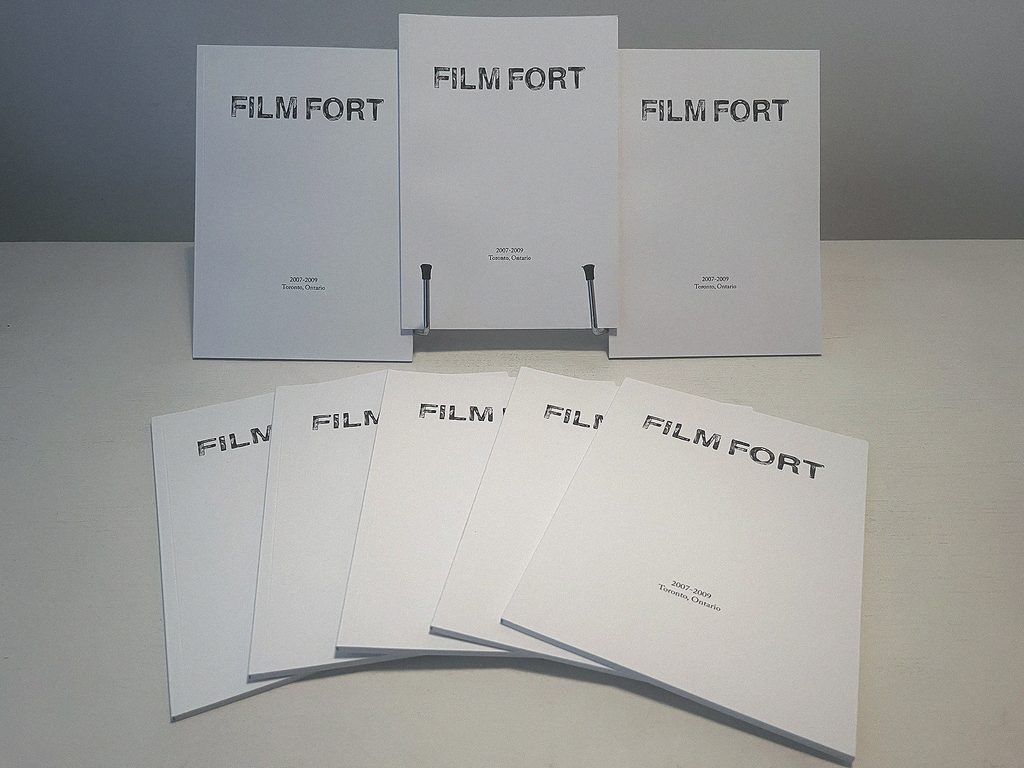
Small-Format Archival Books is an open and adaptable publication template for community organizations, artist-run centres, collectives, and individuals seeking to document histories that might otherwise remain dispersed, inaccessible, or lost. Designed in LibreOffice and intended for inexpensive full-colour printing, the template provides a practical and relatively inexpensive way to assemble public-facing materials into a compact book suitable for community circulation, archival/library deposit, and future research.
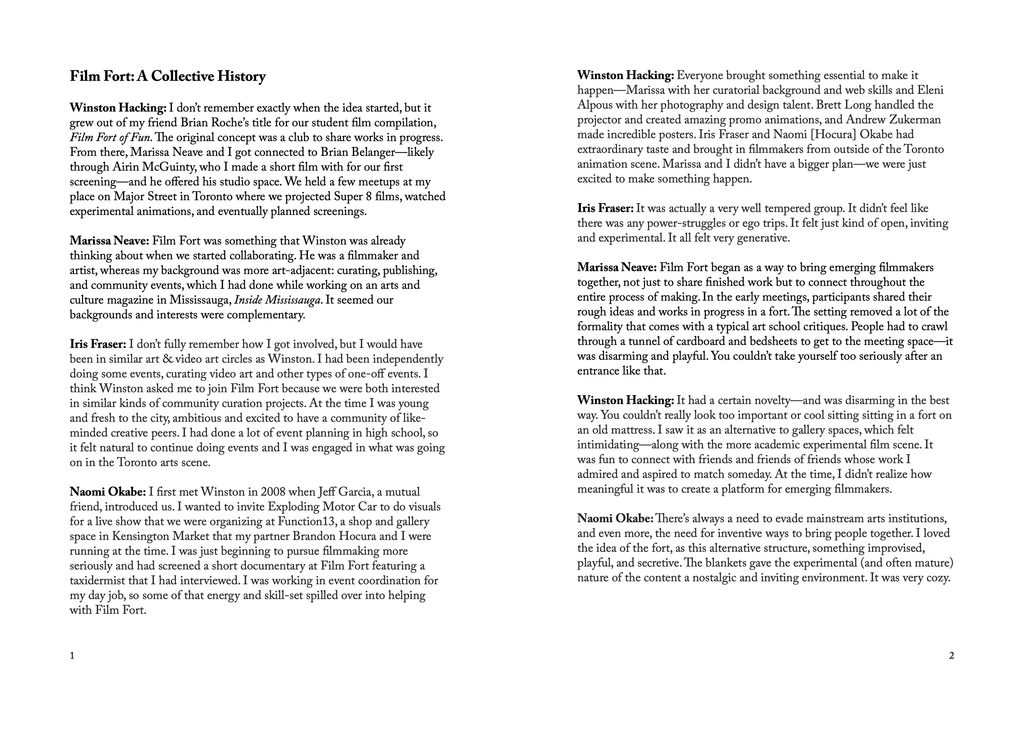
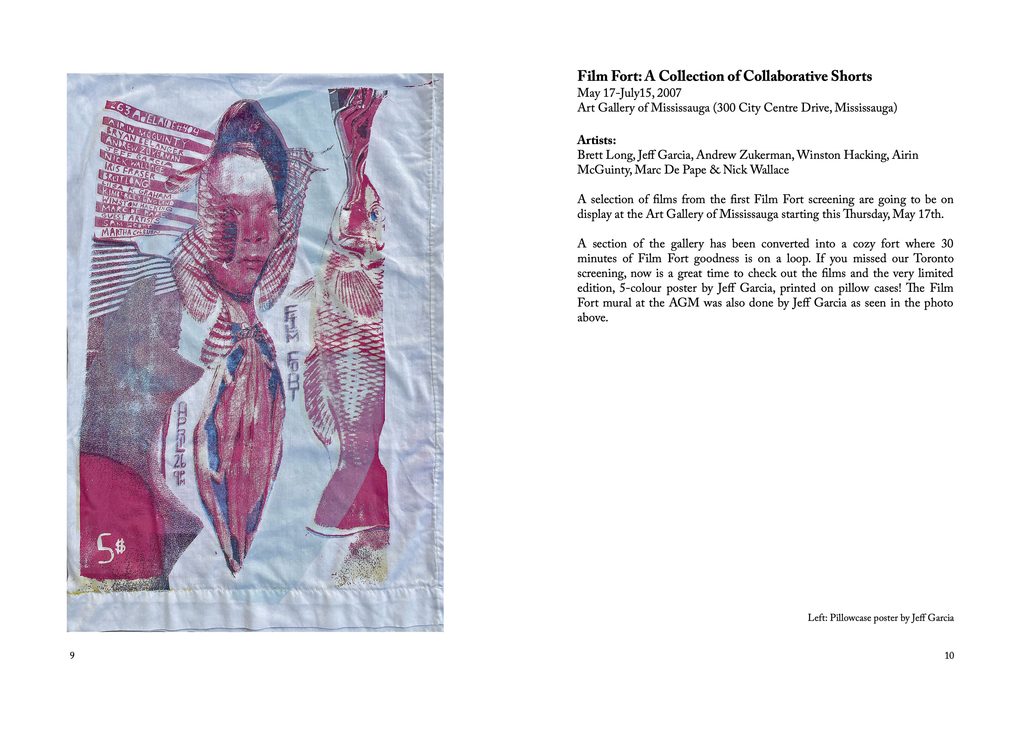
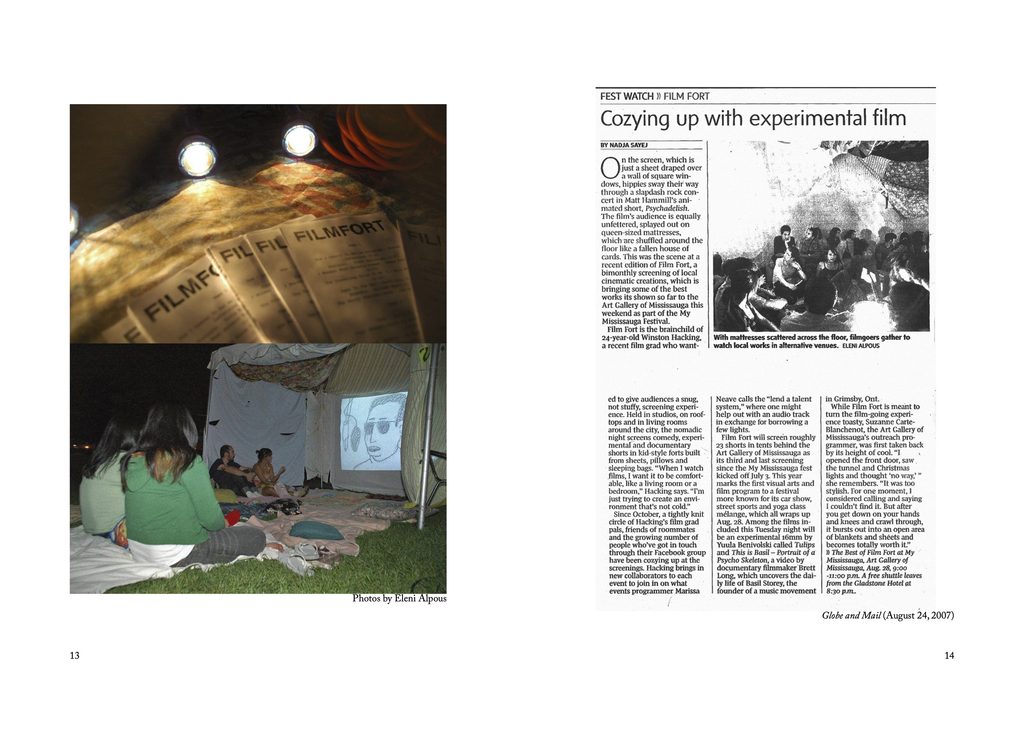
The books are conceived as primary-source compilations for community members, artists, future scholars, and organizers. They may include posters, flyers, invitations, program notes, press releases, newsletters, advertisements, published reviews, newspaper coverage, photographs produced for public communications, and other ephemera originally intended for public circulation. Adding a brief organizational history or mandate provides context, while event records, interviews, and reflections can help explain how the materials were produced and what they meant to the people involved.
These publications are not intended to be complete or definitive institutional histories. Each book represents a situated selection that depends on what materials survived, what could be located, who participated, what the editors considered significant, and what could reasonably be completed with limited time and resources. Gaps, disagreements, absences, and changes in memory are part of the historical record and should be acknowledged rather than concealed.
The format is designed to be inexpensive in labour, time, and material cost. A typical book would be approximately 48 to 52 pages, with two to four pages devoted to each event, program, or subject. Production might involve one or two days each for scanning, image preparation, text preparation, and layout. The template can be used to document an organization’s broader history or a smaller micro-history within it, such as a recurring program or exhibition series, publication project, curatorial initiative, or period of organizational change.
The focus on public-facing documents gives the project a clear and manageable scope. These materials were originally created to communicate with audiences and generally raise fewer privacy and confidentiality concerns than internal correspondence, personnel files, financial records, or other private documents. Editors should identify creators and sources wherever possible and seek permission when appropriate, particularly for substantial artistic works and photographs.
The template also asks organizations to reflect on how histories are constructed. Who selected the materials? Who was consulted? Who felt included, and who may have been excluded, overlooked, or unable to participate? Whose interpretation became authoritative? Consultation does not necessarily mean equal influence, agreement, or representation. Editors should be transparent about identifying their own relationship to the organization, describing the limits of the project, and acknowledging perspectives or records that are missing.
This resource will not work equally well for every organization. Some groups may require different cultural protocols, languages, accessibility measures, privacy protections, or approaches to collective authorship. The template is therefore offered as one method among many—not as a universal standard. Organizations are welcome to adapt, expand, critique, or reject any part of it.
Projects such as Ioana Simion’s The Living Archive demonstrate related approaches to community memory through zine-making, storytelling, and collective reflection. Small-Format Archive Books contributes to this broader field by offering a modest, open-source tool for turning vulnerable public records into durable and accessible historical resources. Completed books may be shared with participants, community members and offered to organizations like Libraries and Archives Canada, Artexte and relevant community and university libraries. The digital version may be shared with organizations like the Internet Archive and shadow archives like Anne’s Archives.
TEMPLATE DOWNLOAD [DOCX]
TEMPLATE DOWNLOAD [PDF]
LIBREOFFICE DOWNLOAD
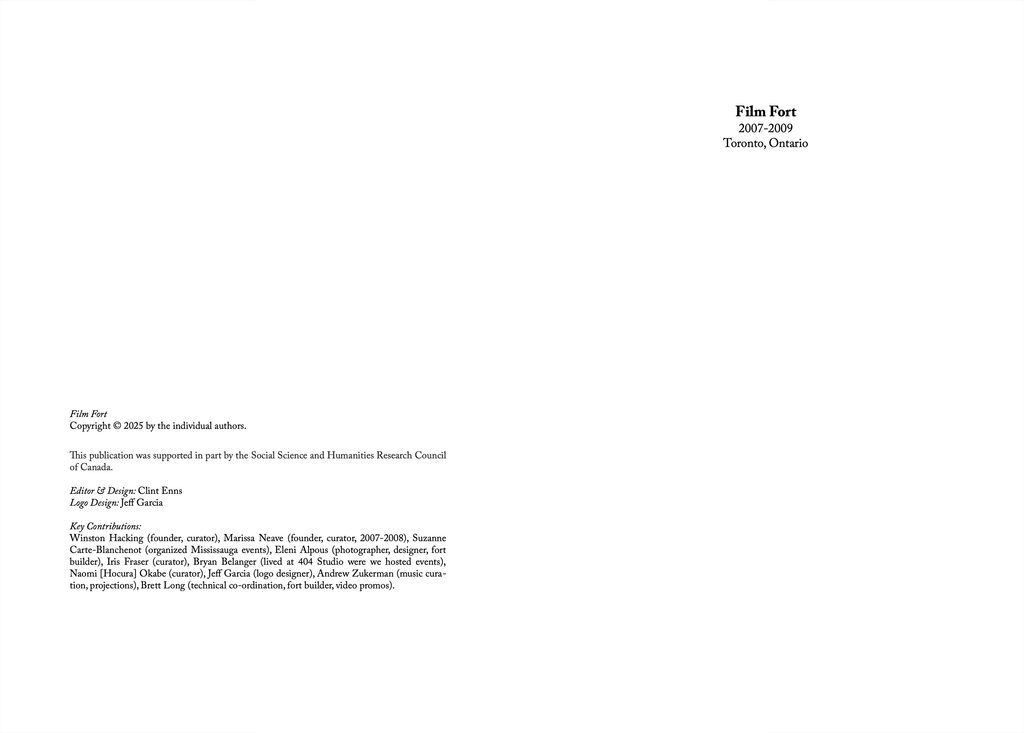
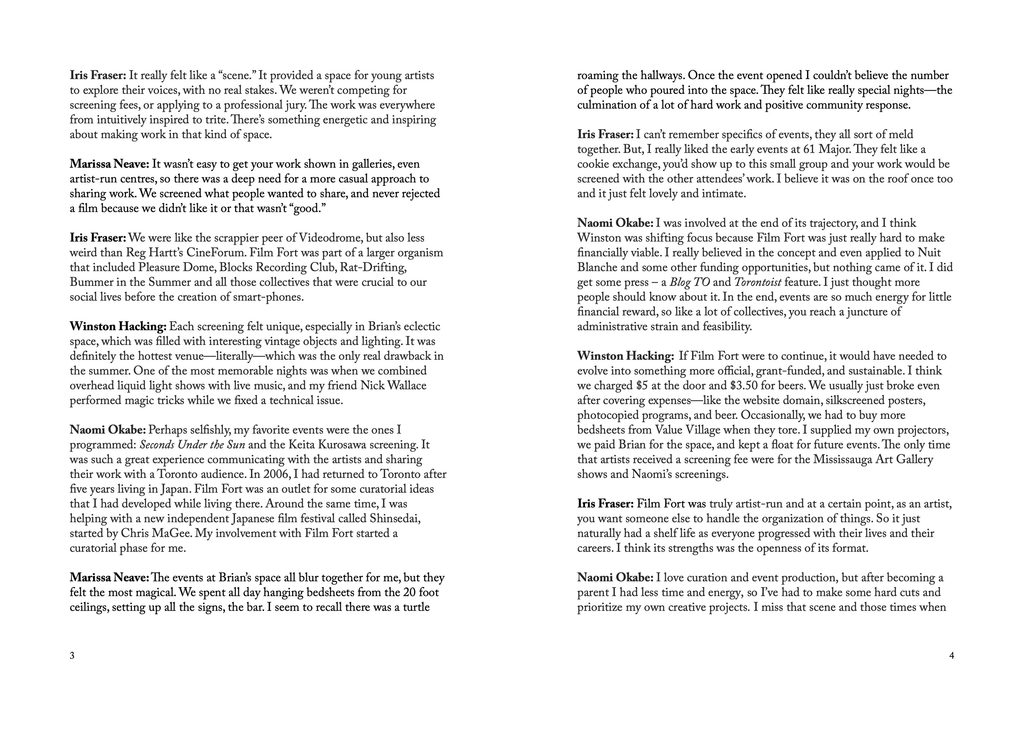
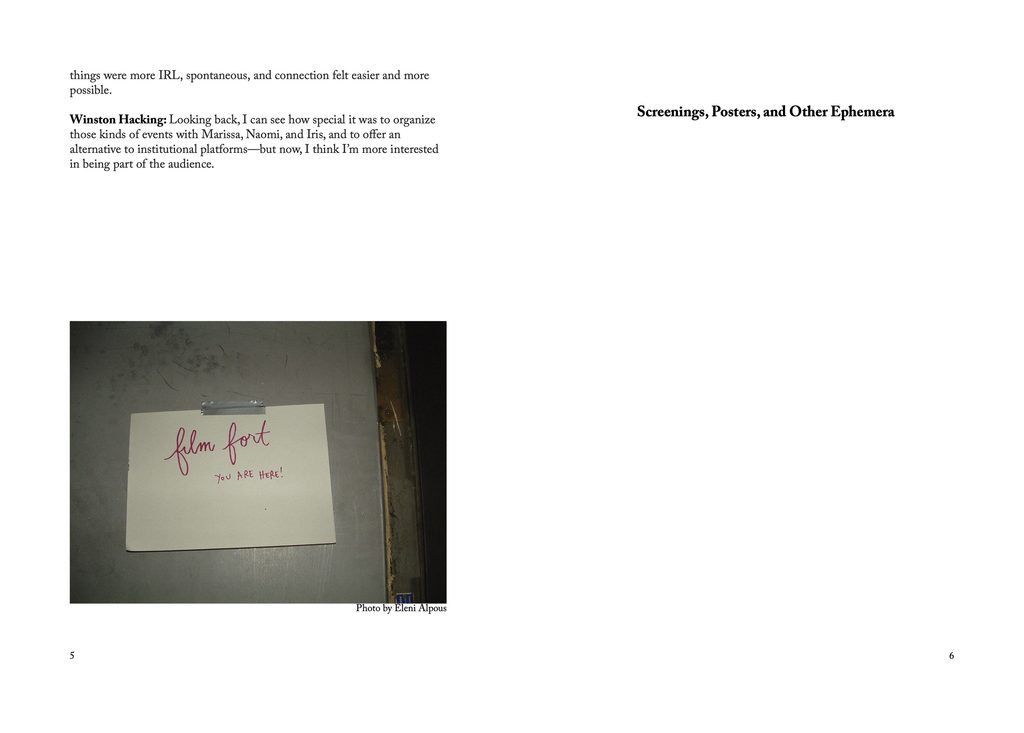
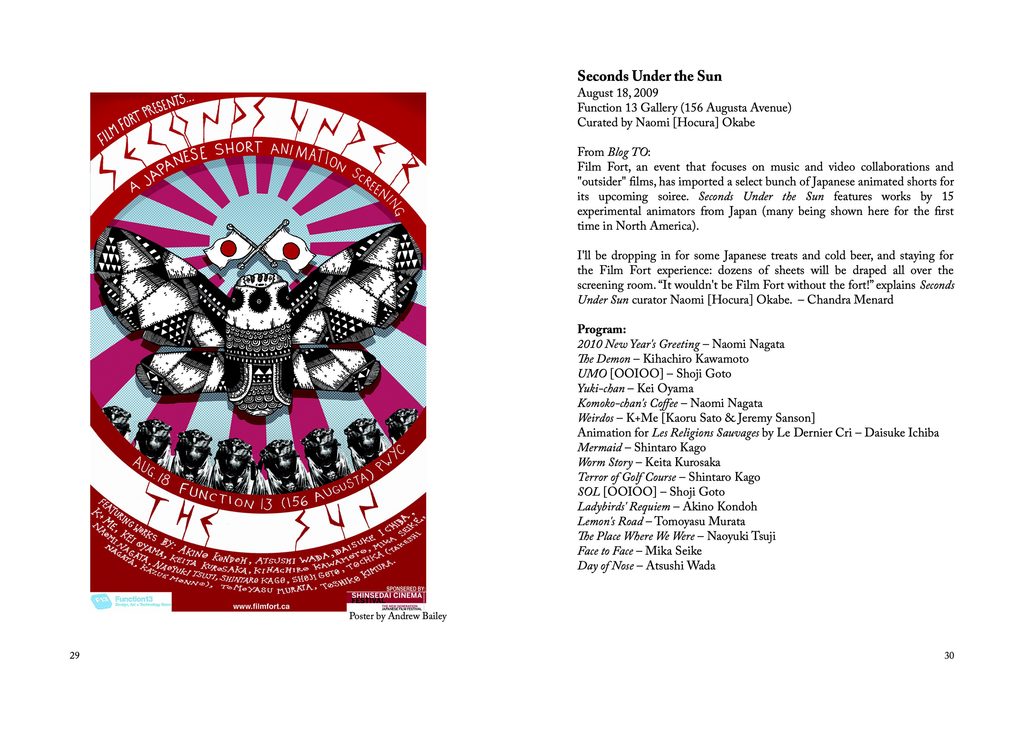
FILM FORT SAMPLE
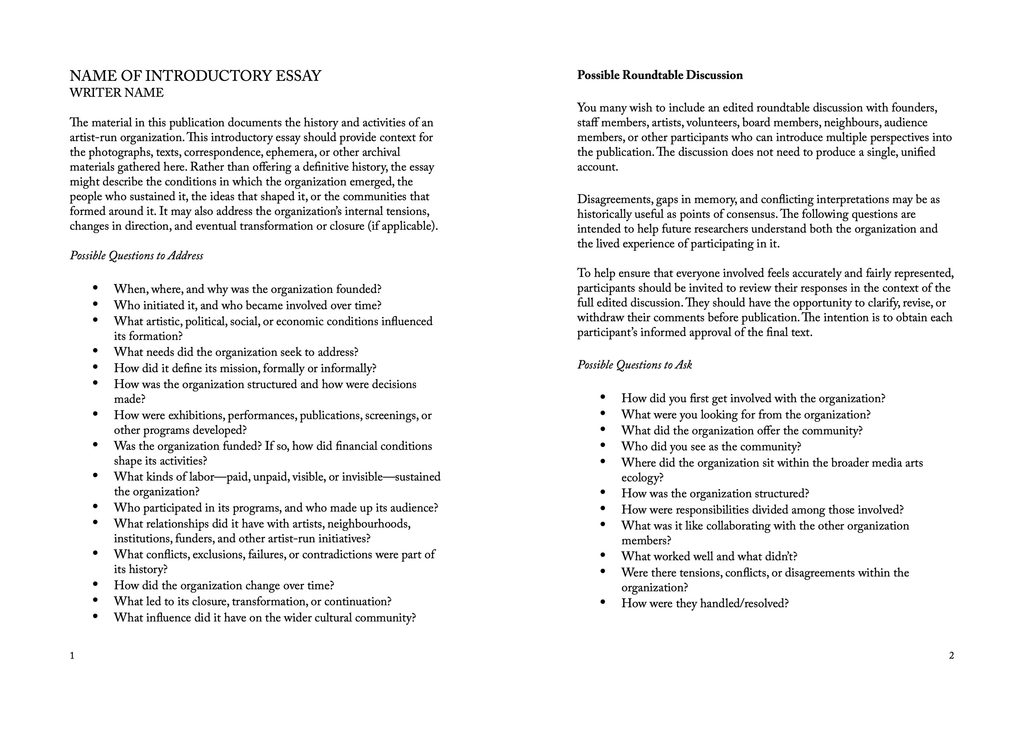
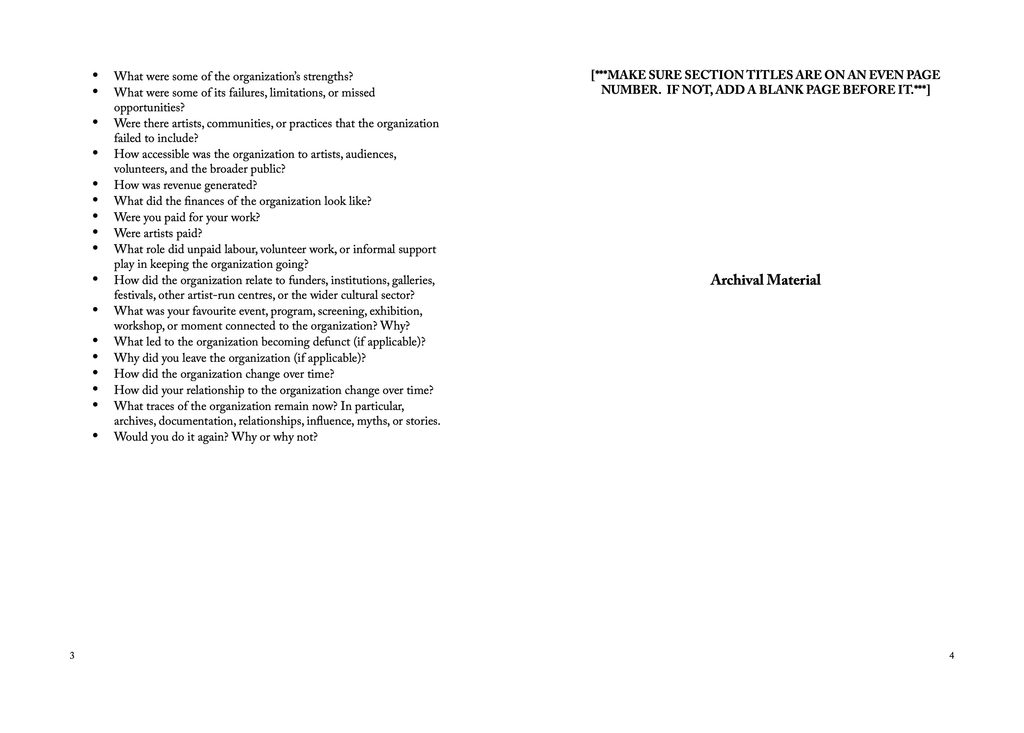
SAMPLE [TEMPLATE]
SAMPLE [FILM FORT]